
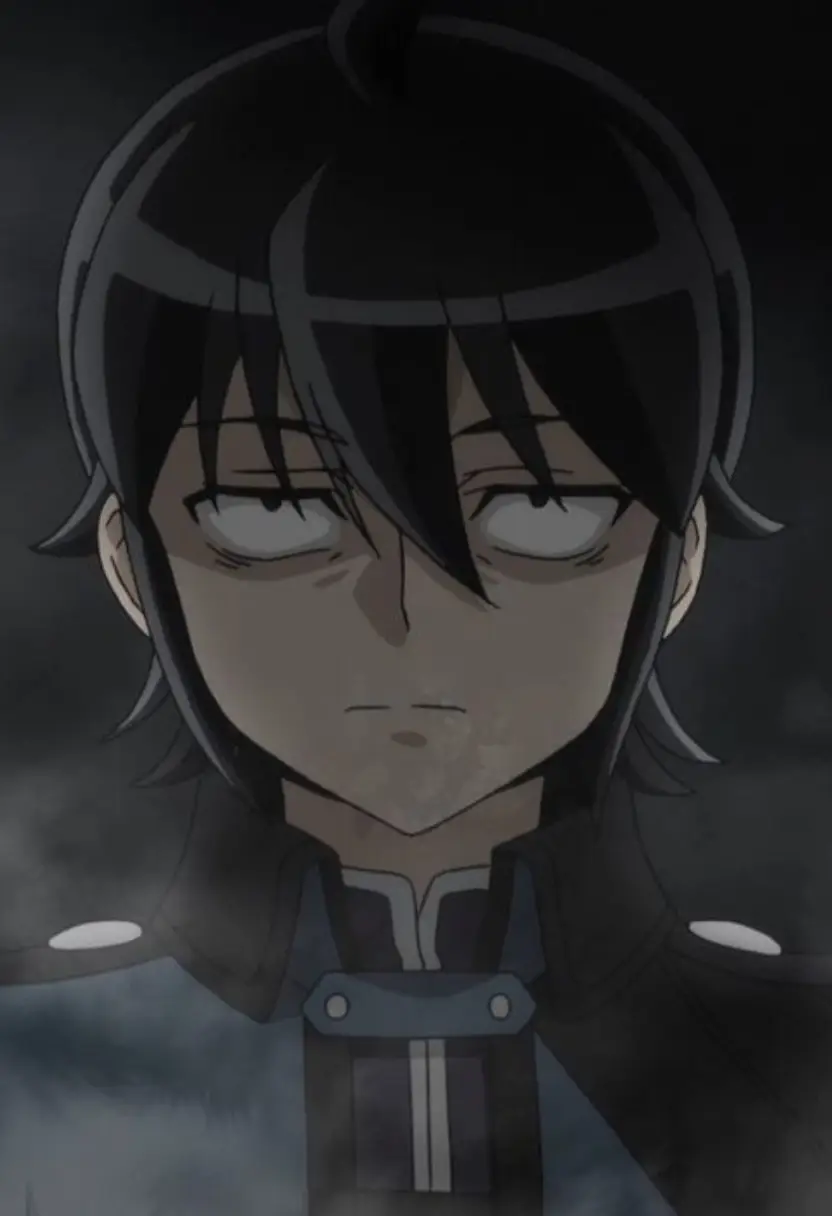
The fundamental divide between these two architects of secret societies is the distinction between power as a costume and power as a cage. While both command loyal followers, their motives occupy opposite ends of the psychological spectrum. For Cid, the construction of Shadow Garden is an exercise in aesthetic commitment. His YPS-3 city-level capabilities, including his signature atomic detonation, serve as punchlines to a joke only he understands. He operates with zero Darkness because his actions lack genuine moral weight; he is a tourist in his own revolution. In contrast, Makoto’s ascent to YPS-4 nation-level status is a response to trauma and divine rejection. Asora is not a performance but a necessity—a physical manifestation of a refusal to conform to the Goddess’s standards. This creates a significant gap in their DNA profiles: Makoto’s Darkness is a byproduct of the sociopathic pragmatism required to protect his sanctuary, whereas Cid’s high Ego is fueled by a delusional detachment from reality. The comparison breaks down when analyzing their relational weight; Cid’s Bonds are accidental, born from his followers' misinterpretation of his theatrics, while Makoto’s Bonds are intentional, forged through the shared experience of exile. Ultimately, the juxtaposition reveals that the "overpowered" protagonist is either a man playing a role or a man building a wall.
Archetype breakdowns and dispute court land in later phases.