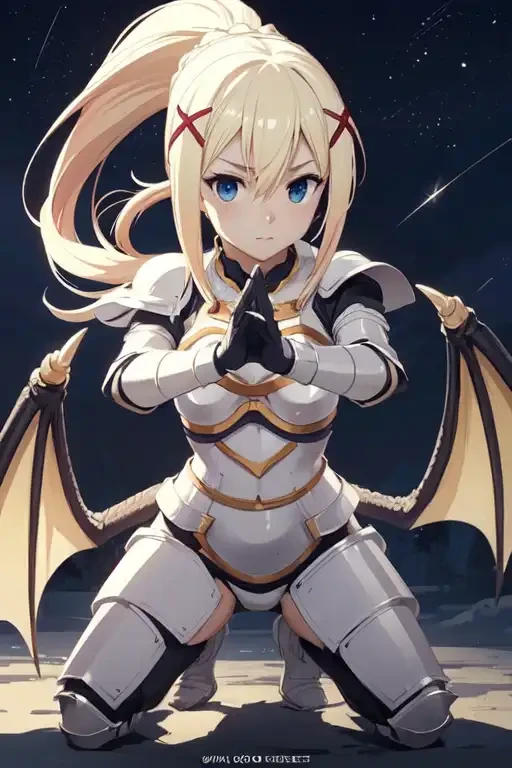

Utility in isekai is often measured by output, but the real divergence between these two lies in how they weaponize their own dysfunction. Because one operates on a physical axis at YPS-2 and the other wields administrative authority at YPS-3, a direct power comparison is meaningless. Instead, the contrast reveals a fundamental split in how the genre handles the burden of a role. Darkness transforms the noble duty of a Crusader into a vehicle for personal gratification through suffering. Her utility is purely reactive; she is a shield that functions only when the world is cruel to her. In contrast, Hakuto Kunai treats the terrifying mantle of a Demon Lord as a corporate management simulation. He does not react to the world; he re-engineers it with hospitals and resorts to suit his pragmatic needs. While Darkness finds identity in the surrender of her ego to the pain of others, Kunai uses his Administrator status to impose his will, though he risks losing his original human self to the avatar's nature. This creates a mirror: one character achieves psychological peace through the abandonment of agency, while the other seeks stability through the control of the environment. The gap between YPS-2 and YPS-3 is negligible compared to the gulf between a character who wants to be broken and one who refuses to let the world be broken in a way that is inefficient.
Archetype breakdowns and dispute court land in later phases.