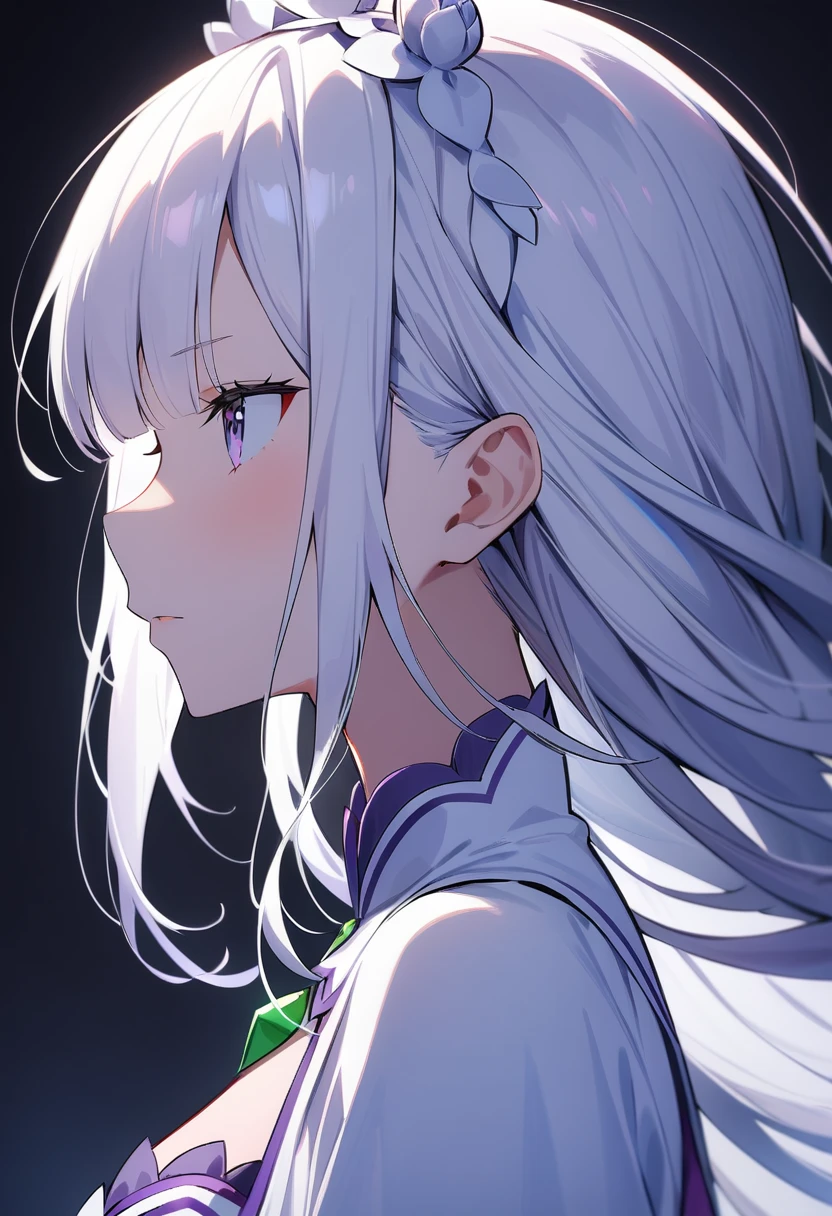

True autonomy in a hostile world is not found in the acquisition of power, but in the source of one's motivation. Both characters operate at the YPS-4 level, acting as strategic deterrents capable of facing national armies, yet their paths to this capability reveal a fundamental divide in how they process trauma. Emilia fights a war of perception. Her struggle is the reclamation of a stolen identity, moving from the fragile dependency of her early days with Puck to the political resolve required for the Royal Selection. She does not seek to change her nature, but to force a prejudiced world to accept it. Raphtalia, conversely, executes a total systemic escape. Her trajectory from a traumatized slave to the Heavenly Emperor of Q'ten Lo represents a complete overhaul of her social and psychological existence. While Emilia fights to be seen for who she is, Raphtalia fights to become something the world told her she could never be. This makes Raphtalia's growth more radical and her bonds more grounding. Emilia’s narrative is a slow awakening of the self, whereas Raphtalia’s is a deliberate reconstruction of the self. The gap lies in the origin of their agency: Emilia finds hers by peeling away the layers of a forced persona, while Raphtalia builds hers from the ruins of total subjugation.
Archetype breakdowns and dispute court land in later phases.