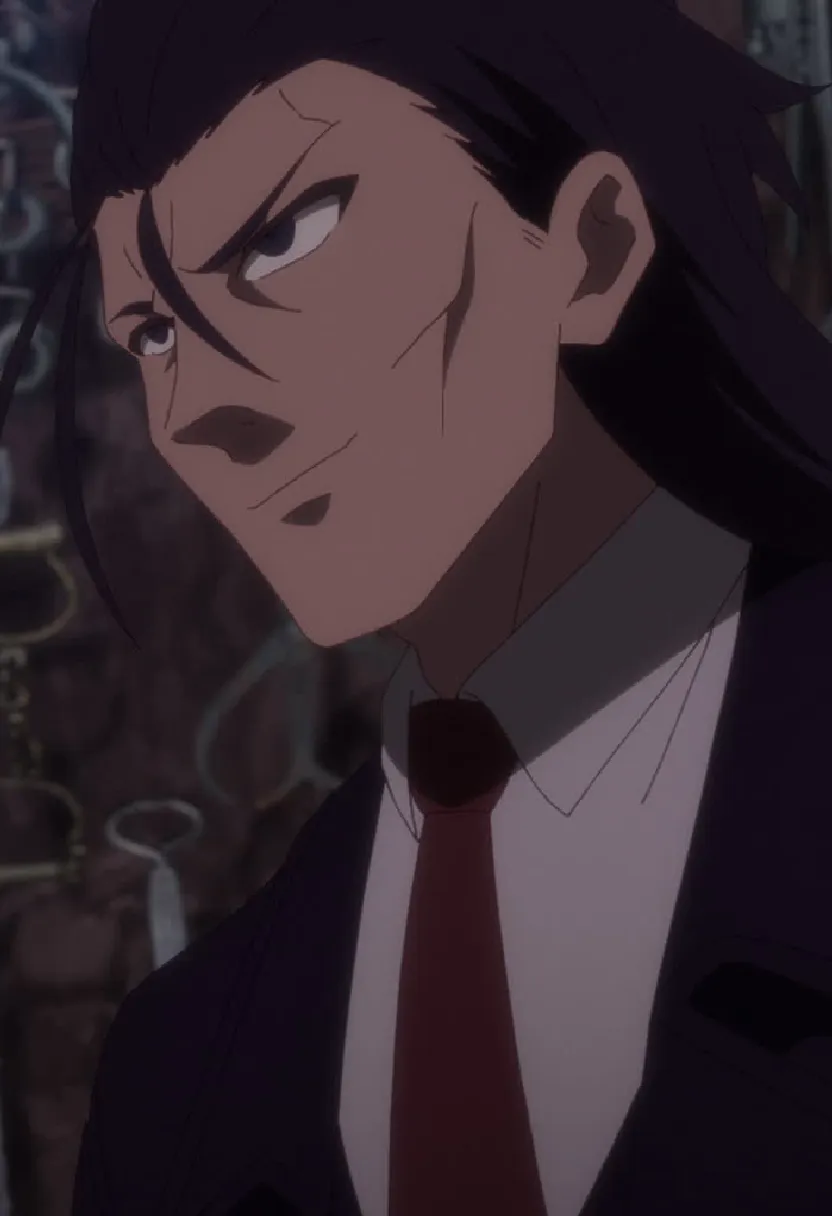
The true divergence in the isekai second-chance narrative lies not in the scale of power, but in the direction of identity erosion. A direct YPS comparison fails here because the analysis contrasts a YPS-3 authority-type who manipulates administrative permissions with a YPS-4 physical-type who masters elemental output; one manages the system while the other masters its physics. Despite identical Growth scores, their trajectories are inverted. Rudeus uses his reincarnation to dismantle the walls of his previous NEET existence, turning his magical aptitude into a tool for genuine human connection. His struggle is an additive process of redemption, where the goal is to integrate the failures of a 34-year-old man into the life of a developing youth. Conversely, Kunai’s progression is subtractive. While he builds resorts and hospitals with the efficiency of a corporate salaryman, he does so while his original human memories are systematically overwritten by the Demon Lord avatar. He does not grow into a better man; he optimizes himself into a more efficient entity. Where Rudeus fights to remain human despite his power, Kunai accepts his transformation into a system function. This reveals a cynical truth about the genre: the ability to reshape the world often requires the user to surrender the very self that desired the change.
Archetype breakdowns and dispute court land in later phases.