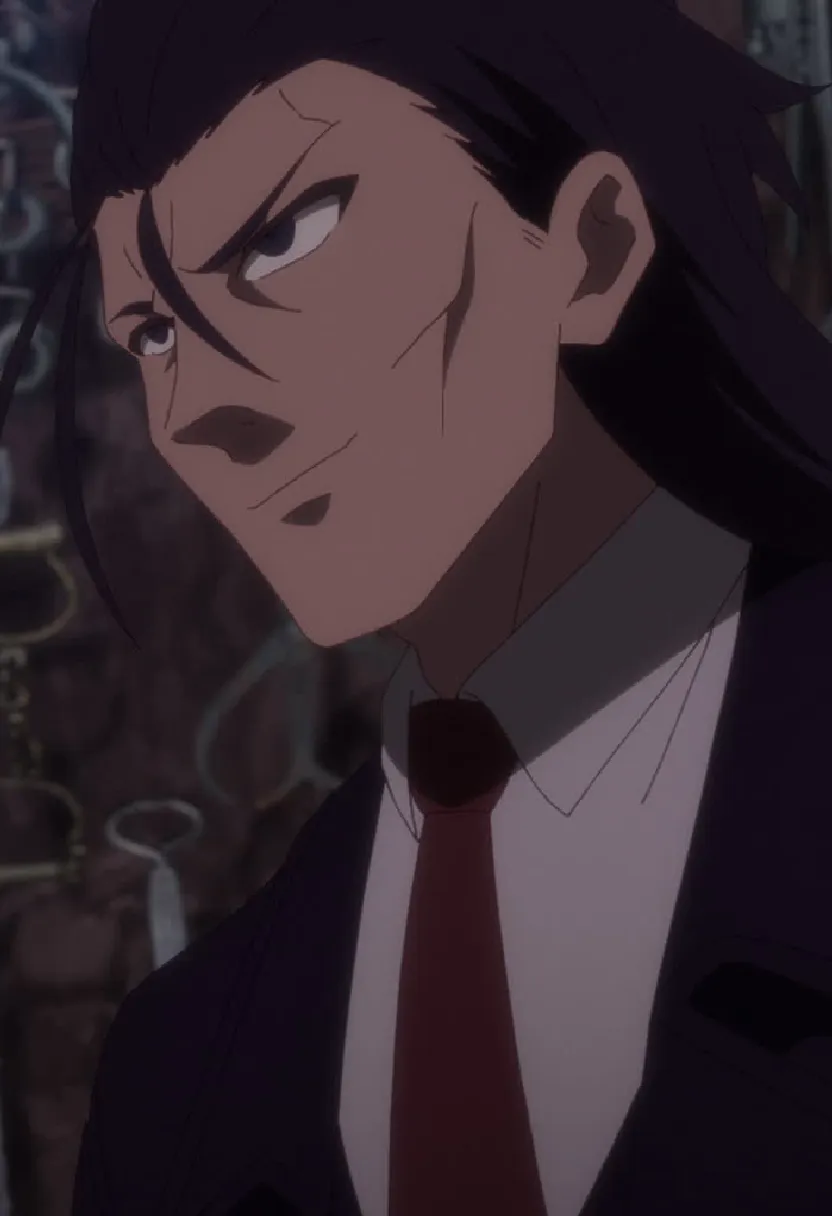

The inverse relationship between raw capability and narrative tension defines the divide between these two protagonists. While the gap between a YPS-3 city-level threat and a YPS-S entity is an insurmountable chasm in combat, the narrative weight shifts entirely toward the lower tier. Touya Mochizuki exists in a state of frictionless expansion, where the acquisition of godhood and a circle of allies removes every possible point of failure. His journey is an exercise in maintenance, not growth, because he lacks the internal friction necessary for a true character arc. In contrast, Hakuto Kunai operates within the suffocating constraints of administrative realism. He does not simply inhabit a powerful body; he manages it like a failing project, balancing infrastructure projects and meritocratic politics against a ticking clock of identity erosion. The tragedy of Kunai—the gradual overwrite of Akira Oono's memories by the avatar's nature—creates psychological stakes that Touya never encounters. One character has solved his world to the point of boredom, while the other fights a losing battle against his own existence. By stripping away the possibility of loss, the YPS-S tier renders the character a static anchor. Kunai’s lower power ceiling allows for a genuine exploration of moral cost and the desperation of a salaryman trying to impose order on chaos. The result is a paradox where the character who can destroy the least is the only one with a story worth following.
Archetype breakdowns and dispute court land in later phases.