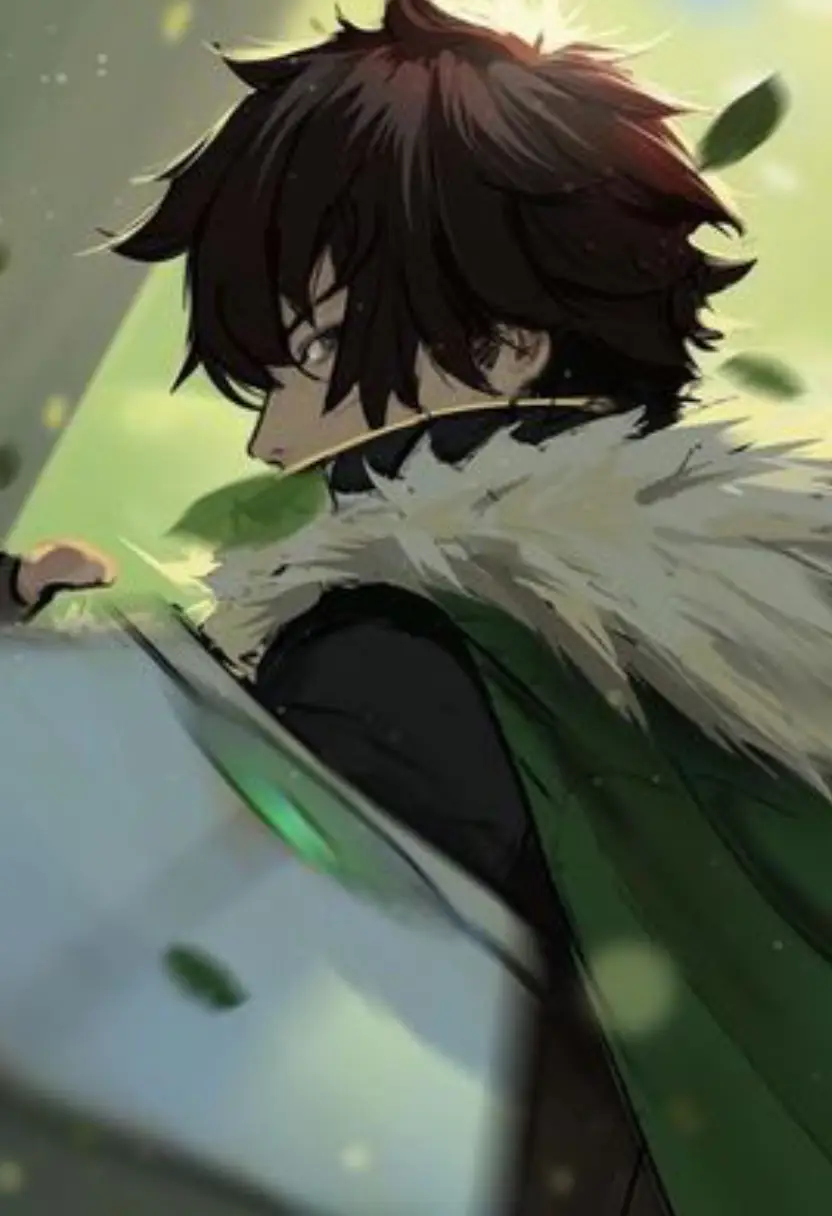
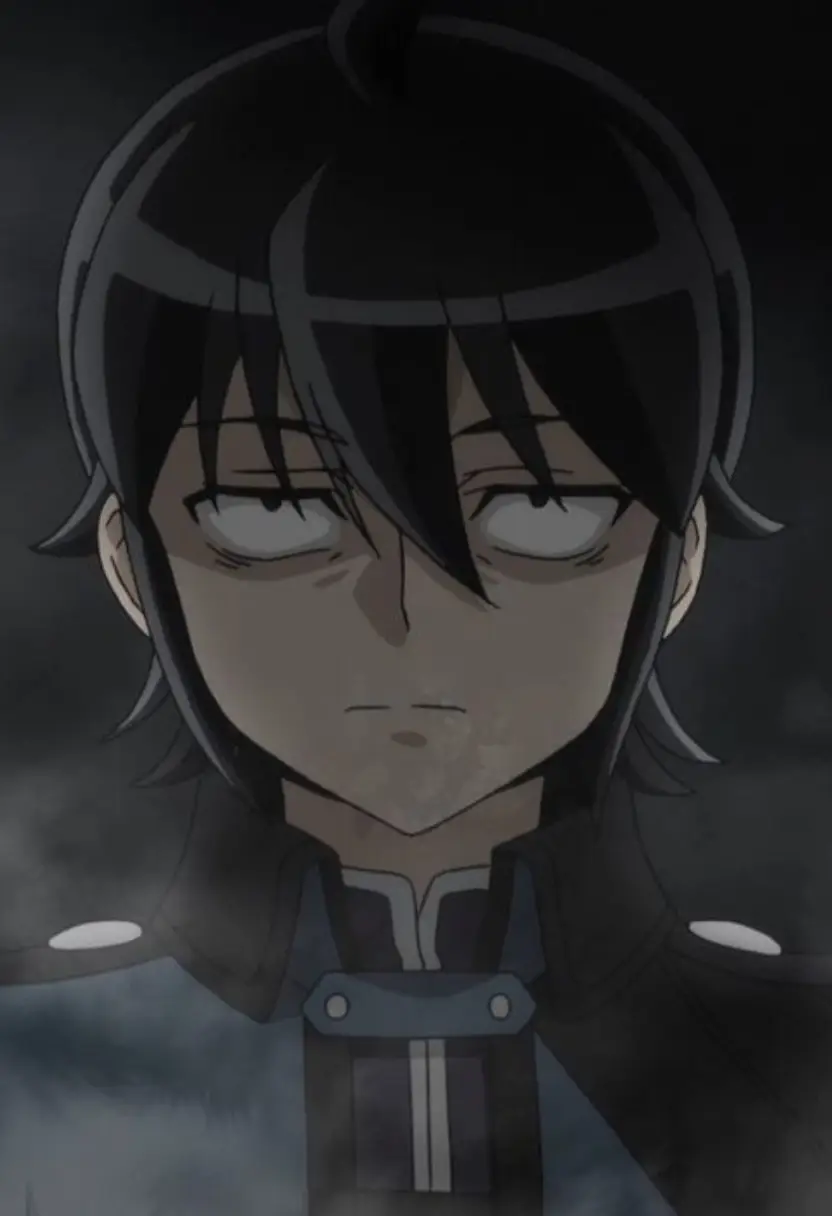
The fundamental tension in isekai power is not the scale of destruction, but the cost of adaptation. Comparing a narrative-type survivor to a physical-type powerhouse renders YPS tiers secondary; while one operates at YPS-3 and the other at YPS-4, the metrics fail to capture how they interact with their environments. Kazuma wins by exploiting the system, using high luck and game-mechanic pragmatism to turn a dysfunctional party into a viable unit. Makoto wins by overriding the system, utilizing raw force to build Asora as a sanctuary away from a Goddess who rejected him. The disparity in their Growth DNA reveals the core truth: Kazuma’s arc is an internal ascent from a shut-in to a man who chooses his bonds over comfort, whereas Makoto’s arc is an external expansion of sovereignty. Kazuma’s darkness is a calculated moral flexibility used for survival, while Makoto’s darkness manifests as a cold, sociopathic detachment from those outside his inner circle. Ultimately, Kazuma represents the triumph of the ordinary mind over an absurd world, while Makoto represents the isolation of the extraordinary mind in a world that cannot contain it.
Kazuma Satō
Dimension
Makoto Misumi
Editor
40
Community
—
POWER
destructive ceiling
▶ +15
Editor
55
Community
70▲15
Editor
100
Community
—
GROWTH
trajectory & arc
◀ +20
Editor
80
Community
32▼48
Editor
60
Community
—
DARKNESS
moral cost willingness
◀ +24
Editor
36
Community
48▲12
Editor
75
Community
—
BONDS
loyalty weight
▶ +15
Editor
90
Community
100▲10
Editor
45
Community
—
EGO
self-determination
▶ +30
Editor
75
Community
45▼30
Editor
72
Community
—
LUCK
narrative protection
◀ +36
Editor
36
Community
36
Cast Your Vote · 6 DimensionsCommunity pulse
KAZUMA SATŌLeft
Power40
Growth100
Darkness60
Bonds75
Ego45
Luck72
MAKOTO MISUMIRight
Power55
Growth80
Darkness36
Bonds90
Ego75
Luck36
Archetype breakdowns and dispute court land in later phases.