
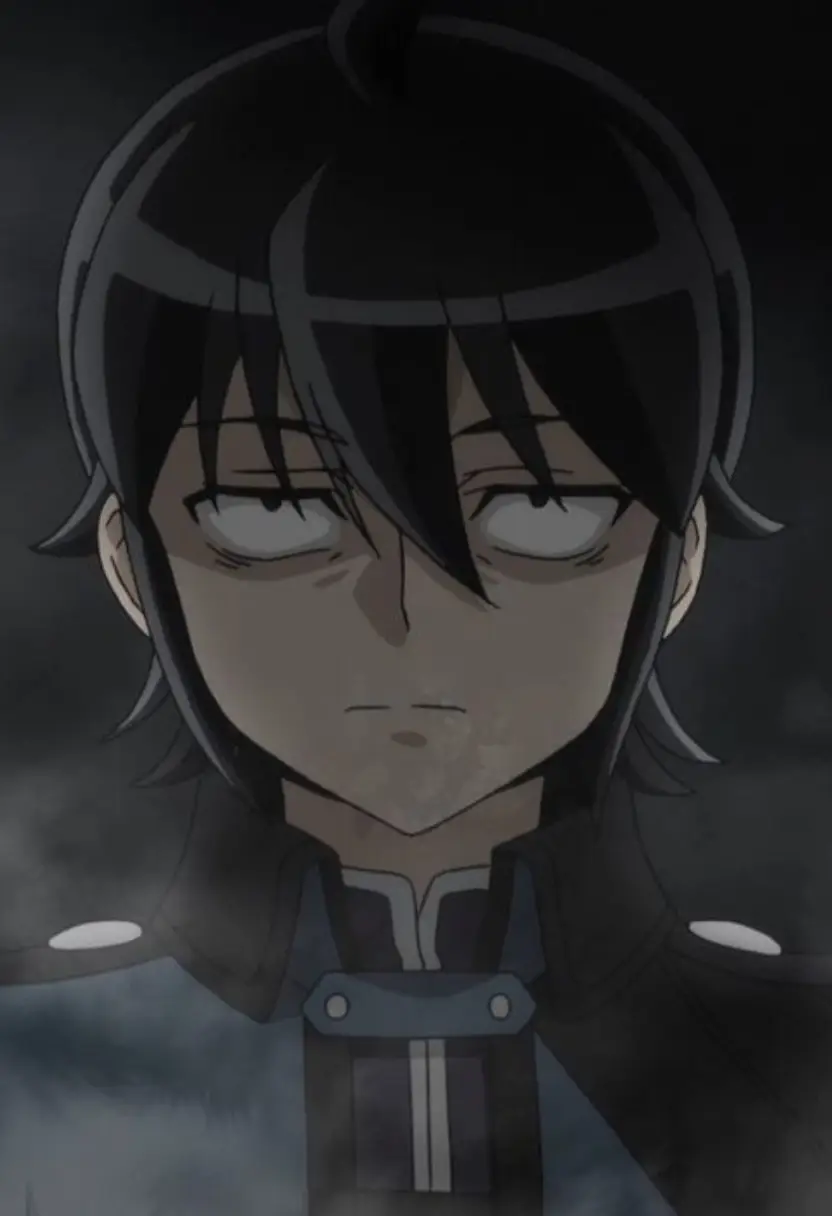
The divergence between two YPS-4 entities lies in the direction of their ambition: one fights to integrate into a broken system to save others, while the other builds a wall against a system that rejected him. While both occupy the same tier of strategic deterrence, their DNA profiles reveal a clash between civic responsibility and isolationist pragmatism. Kirito’s maximum Ego score manifests as a drive to bridge the gap between virtual achievement and human fragility, transforming the trauma of the Aincrad death-game into a shield for others. His struggle is internal, moving from survivalism to an existential burden. Makoto operates on a different axis. His trajectory is defined by a refusal to play the "chosen hero" role, instead channeling his capability into the creation of Asora. Where Kirito accepts the "Beater" stigma to navigate the system from within, Makoto treats the Goddess’s world as a hostile environment to be managed, not a society to be improved. This is where the comparison shifts from combat output to sociopolitical intent. Kirito’s bonds are anchors to a world he fears losing; Makoto’s bonds are the foundation of a sovereign state he built because he had nowhere else to go. The narrative tension for the former is the cost of leadership in a simulation, while for the latter, it is the moral erosion that comes with acting as a localized deity.
Archetype breakdowns and dispute court land in later phases.