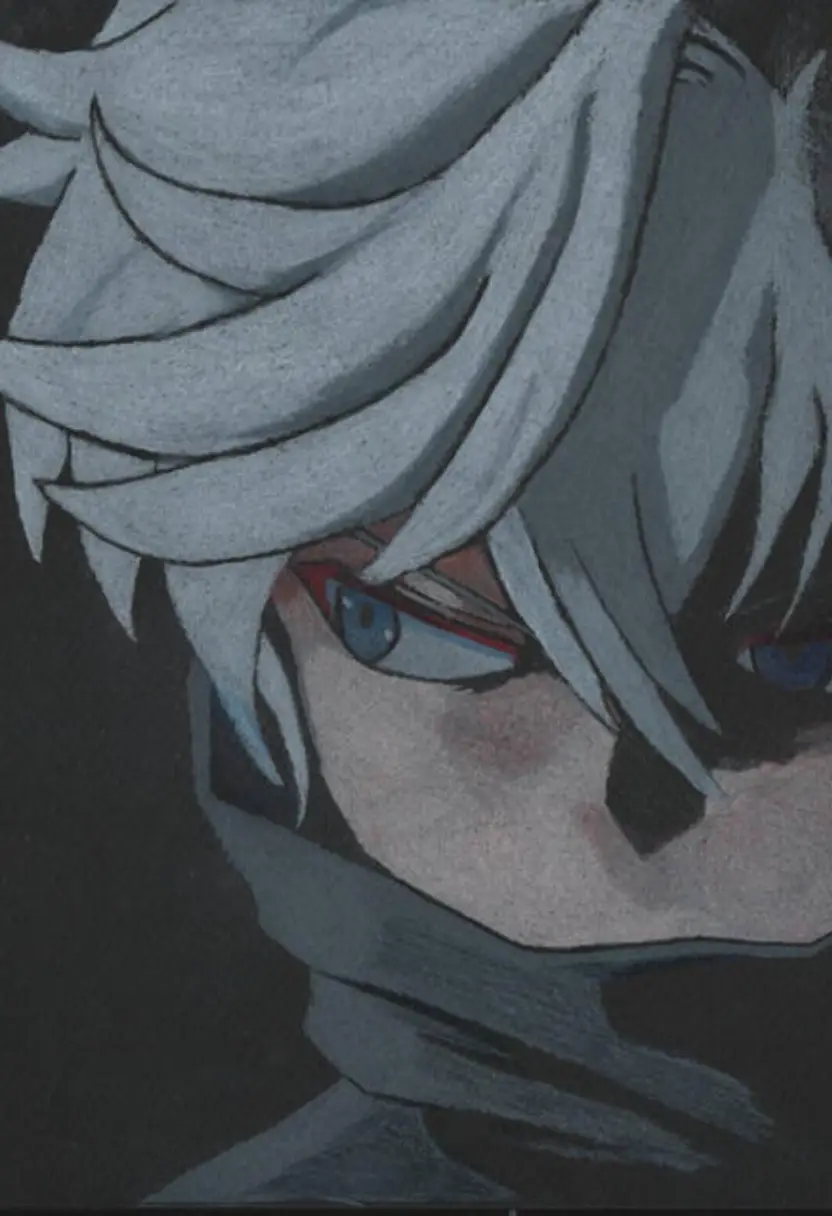

The disparity between a city-level asset and a planetary force is absolute, rendering any tactical comparison meaningless. While Milim Nava operates at YPS-6 and Lugh Tuatha Dé resides at YPS-3, the narrative interest scales inversely to their destructive output. Lugh represents the grueling process of manufacturing a soul from a blueprint of efficiency. His growth is not a climb in power, but a desperate attempt to integrate human connection into a cold, tactical calculus. By utilizing the "My Loyal Knights" skill and navigating his bond with Dia, Lugh fights a war against his own nature as a disposable tool. Milim, by contrast, is a static entity of immense scale whose primary arc is one of emotional regression. She does not evolve so much as she relaxes, trading her isolation for the companionship of Rimuru. Her power is a constant, a background radiation of the world, whereas Lugh’s capabilities are the result of obsessive optimization. This creates a fundamental tension: Lugh possesses the agency to define himself, while Milim is defined by the void her power creates. The assassin’s struggle to become a person is a more compelling study than the god’s struggle to find a playmate. Lugh’s trajectory from instrument to individual carries more weight than Milim’s descent from a lonely deity to a protected child, proving that narrative depth often thrives in the gap where raw power fails to provide meaning.
Archetype breakdowns and dispute court land in later phases.