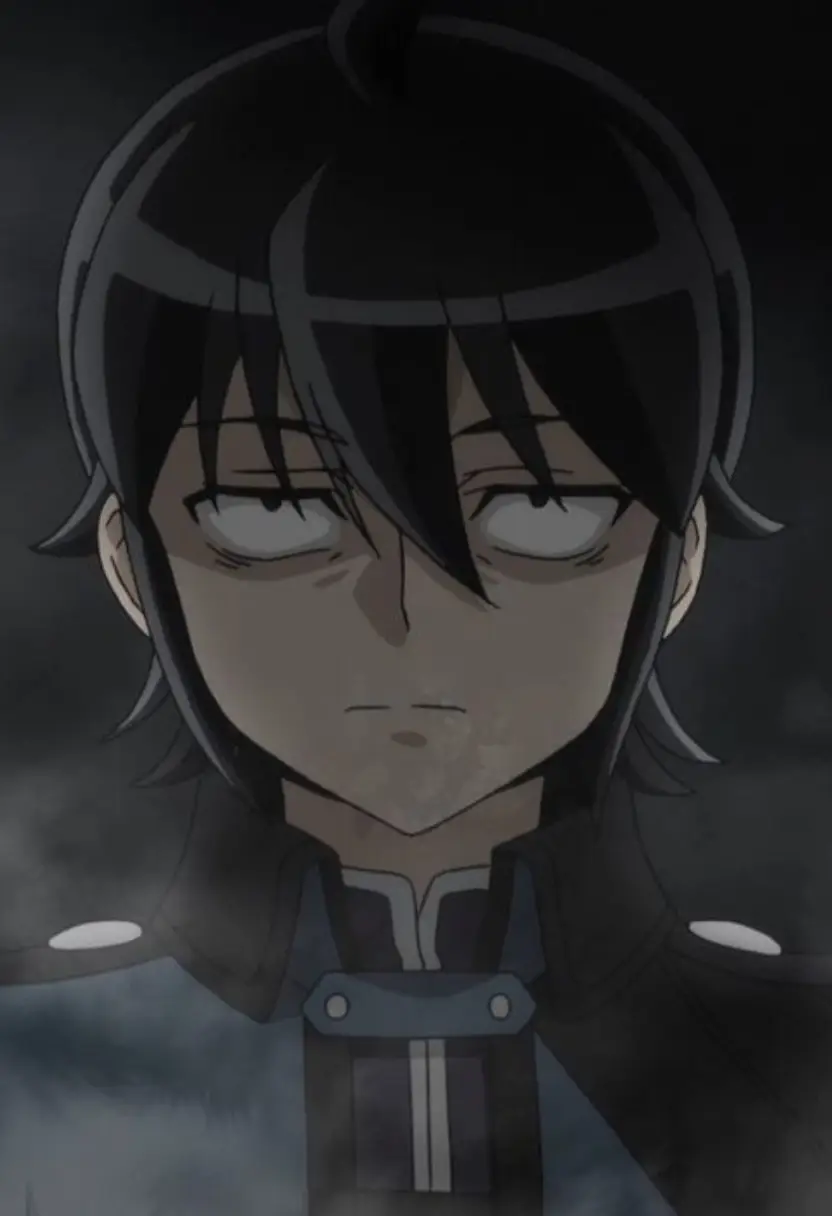

Divine status functions as a narrative anchor rather than an asset when decoupled from personal agency. Comparing a practitioner of divine authority to a master of physical force renders YPS tiers functionally irrelevant; the gap between YPS-3 and YPS-4 is less about destructive output and more about the fundamental nature of their influence. While one possesses the cosmic rank but lacks the will to wield it, the other possesses the raw power but rejects the cosmic rank. Aqua embodies the failure of inherited status. Her high-tier magical capacity is a dormant tool because her Ego is nonexistent. She exists as a passenger in her own life, reacting to the world with a hedonism that turns her divine authority into a source of collateral damage. In contrast, Makoto Misumi transforms his YPS-4 capabilities into a tool for self-determination. His creation of Asora is not a quest for power, but a deliberate act of defiance against a goddess who deemed him ugly. Where Aqua is a deity trapped in the mindset of a spoiled child, Makoto is a man forced into the role of a deity who maintains his humanity through a cold, pragmatic exclusionary logic. This dichotomy reveals a critical truth about isekai power dynamics: capacity is meaningless without a driving philosophy. Aqua is the cautionary tale of the omnipotent archetype who cannot lead, while Makoto is the study of the outcast who leads because he refuses to follow. The true divide is not in their ability to level a city or a nation, but in their willingness to define their own existence.
Archetype breakdowns and dispute court land in later phases.