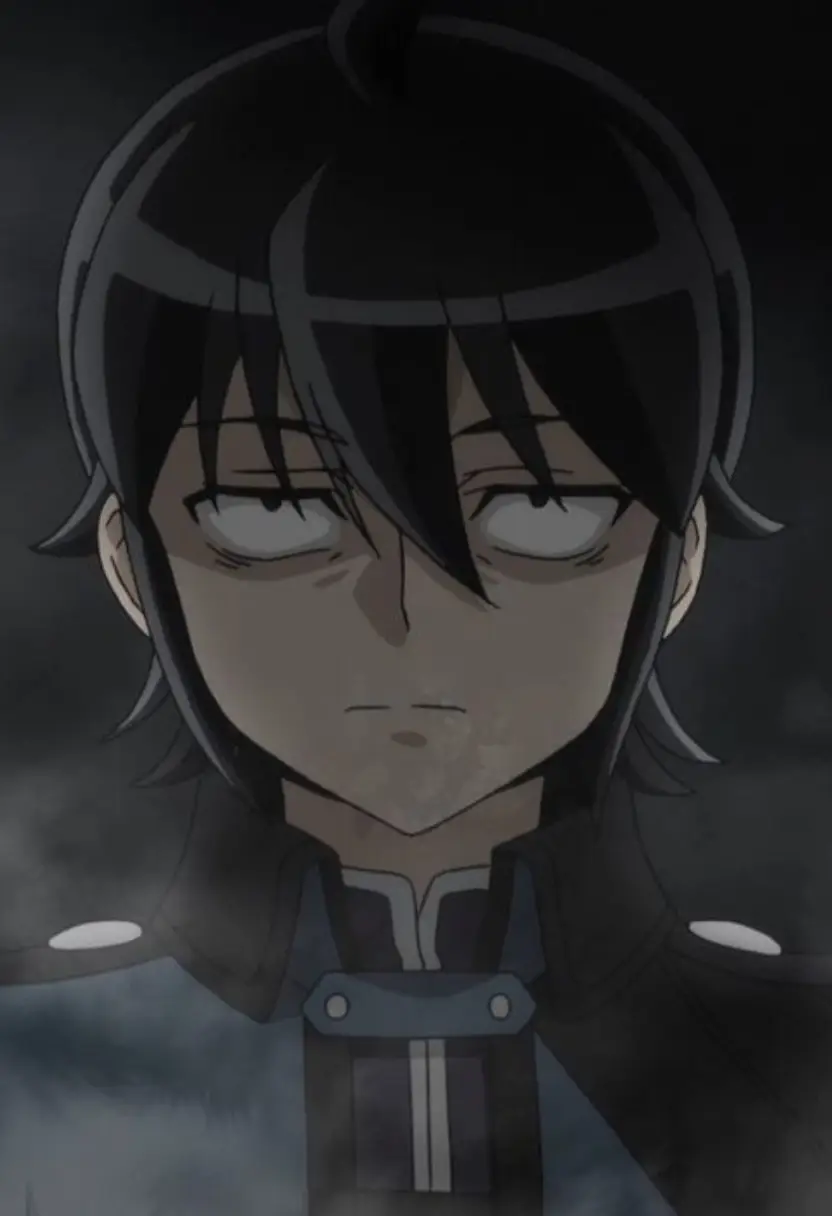

The paradox of relational loyalty reveals itself when comparing a shield that craves the blow with a wall that forbids it. While both characters share a Bonds score of 75, they utilize their connections to achieve opposite psychological ends. A direct combat comparison is irrelevant here, as the YPS-2 Awakened capabilities of a Crusader cannot scale to the YPS-4 nation-level deterrent Makoto represents. Instead, the tension lies in how they process the act of protection. Darkness expresses loyalty through a masochistic erasure of the self, transforming her role as a defender into a personal reward system. She does not simply protect her party; she consumes the damage they should take to satisfy her own desires. Makoto, conversely, uses his bonds to construct Asora, a curated sanctuary where he dictates the terms of existence. This divergence is mirrored in their Ego scores. Darkness exists as a function of others' needs and her own drive to be used, finding identity in submission. Makoto operates as a localized deity, treating his relationships as an extension of his own sovereign will. The Darkness dimension further separates them; where Darkness remains morally transparent, Makoto employs a pragmatic, cold violence against anyone who threatens his inner circle. This comparison proves that high relational weight does not inherently signal altruism. For one, loyalty is a vehicle for self-gratification through suffering; for the other, it is a blueprint for isolation and the creation of a private world. The shield welcomes the world's cruelty to feel something, while the wall shuts the world out to protect everything.
Archetype breakdowns and dispute court land in later phases.