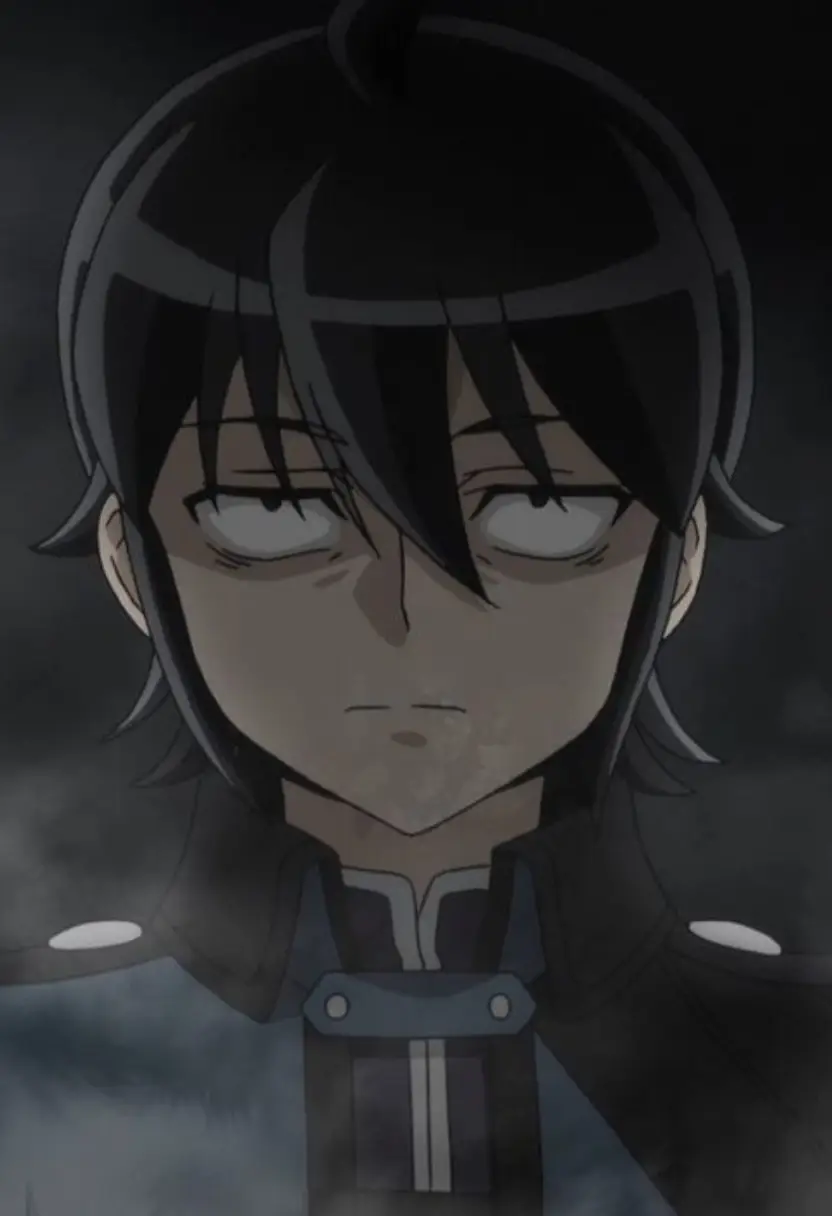

The divide between these two figures is not a matter of magical capacity, but a fundamental disagreement on how to survive social exile. While both begin as outcasts—one rejected by a deity, the other by her own village—they move in opposite directions regarding the world. Makoto operates at YPS-4, transforming his trauma into a strategic asset by building Asora. He does not seek reintegration; he creates a sovereign bubble where he dictates the terms of existence, using his high Ego to replace a hostile society with a curated one. In contrast, Roxy, though operating at a lower YPS-3 tier, demonstrates a more pronounced Growth trajectory. Her journey is a systematic dismantling of the emotional walls she built as a mute outcast. Where Makoto constructs a sanctuary to keep the world at bay, Roxy utilizes her academic drive and her role within the Greyrat family as a bridge to finally belong. The standard power comparison breaks down here because the narrative stakes are inverted. Makoto possesses the destructive ceiling to reshape nations, yet he remains emotionally static, trapped in the role of a protector. Roxy lacks his raw output but achieves a psychological evolution that Makoto avoids. The comparison reveals a biting irony: the character with the capacity to build a world is the one least capable of integrating into one.
Archetype breakdowns and dispute court land in later phases.