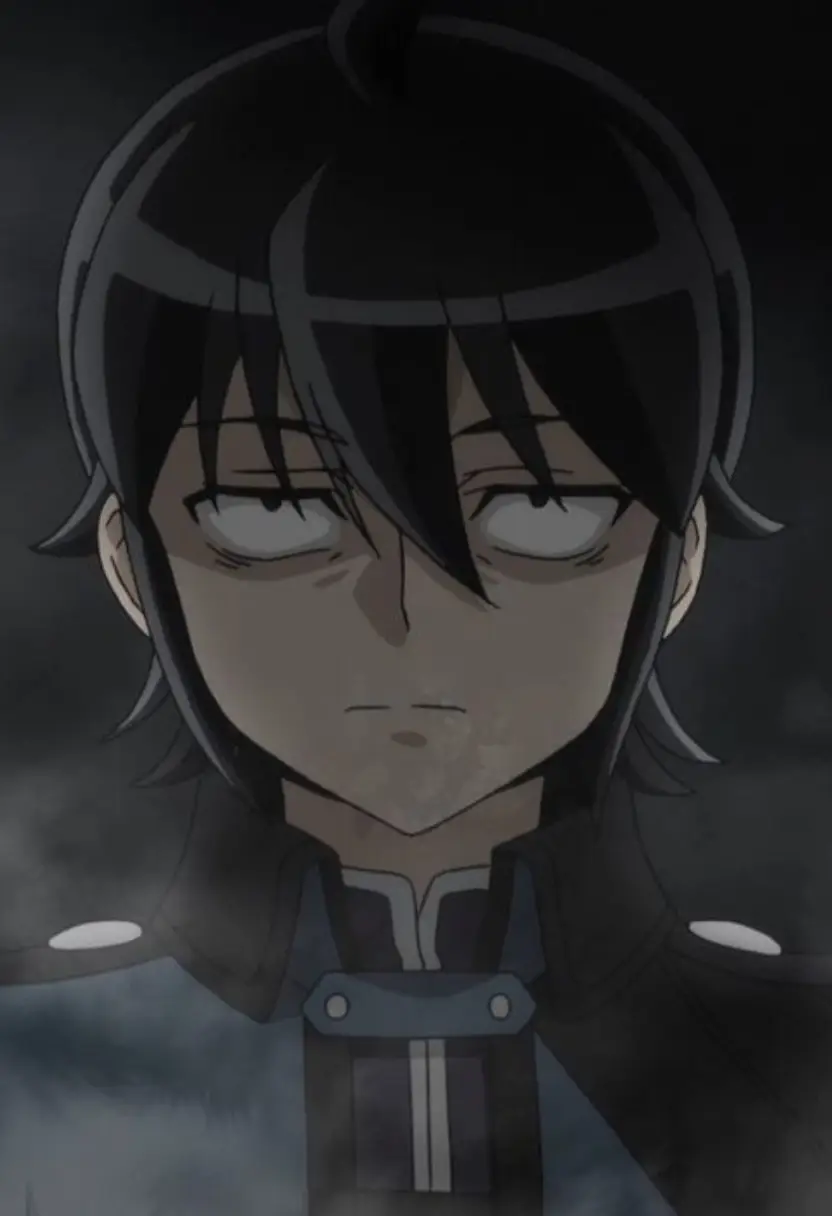
The paradox of the YPS-4 tier is that nation-level capability often masks a profound internal deficiency. When two characters possess the capacity to dismantle armies, the divergence lies in whether that power serves as a shield or a bridge. Makoto Misumi treats his capabilities as a means of secession; he builds Asora not as a kingdom to rule, but as a fortress to exclude a world that rejected him. His narrative is one of strategic isolation, where his high Ego manifests as a refusal to play the role of the summoned hero. In contrast, Rudeus Greyrat utilizes an identical power ceiling to facilitate a desperate reintegration into humanity. His higher Growth and Darkness scores reflect a man fighting a war against his own pathetic history. While Makoto's struggle is external—a cold war against a capricious Goddess—Rudeus's conflict is internal, transforming the "failson" into a father. The gap here is not in what they can destroy, but in what they are willing to protect. Makoto protects a sanctuary of outcasts to avoid the world's gaze, whereas Rudeus protects a domestic circle to prove he deserves to exist within it. One seeks a sovereign void; the other seeks a flawed home. This transforms the YPS-4 designation from a measure of combat output into a study of social trauma: one responds to pain by building a wall, the other by learning to lean.
Archetype breakdowns and dispute court land in later phases.