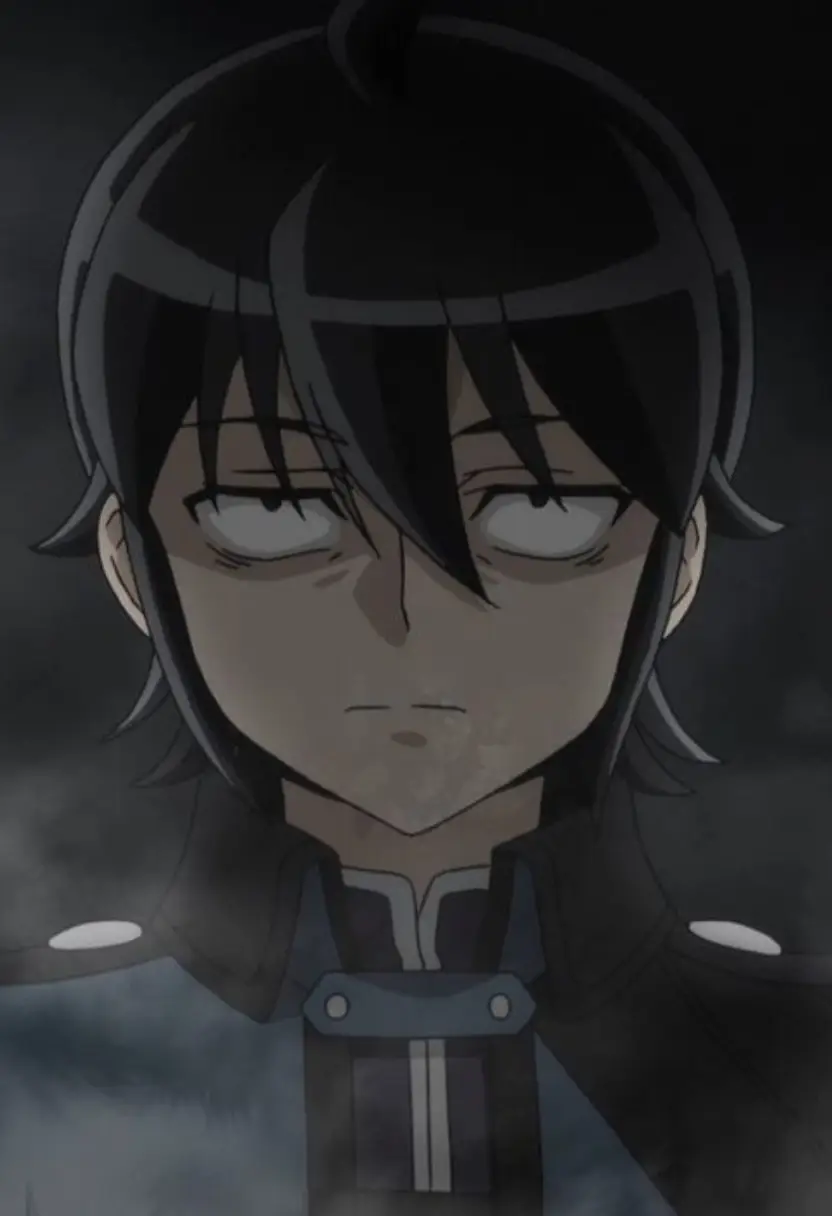

The fundamental tension in isekai often centers on the relationship between capability and autonomy, a dynamic that renders a direct YPS comparison between a YPS-4 physical powerhouse and a YPS-1 authority specialist meaningless. When the scale shifts from national-level destruction to high-stakes game theory, the metrics of combat strength fail. Instead, the divergence appears in how these characters utilize their gifts to negotiate with their environments. Makoto Misumi leverages his exile and destructive capacity to construct Asora, a sovereign sanctuary that functions as a physical manifestation of his refusal to submit to a biased deity. His Ego score reflects this drive for self-determination; he does not just survive the world, he builds a replacement for it. Conversely, Shiro’s genius serves as a tool for symbiotic survival. Her lack of independent Ego and minimal Bond score—concentrated entirely on Sora—demonstrates that intellectual dominance does not equate to personal agency. While Makoto uses his power to carve out a space for the marginalized, Shiro’s authority is a shield that protects a fragile, singular connection. One transforms the world to avoid loneliness, while the other masters the world to preserve a specific partnership. This contrast reveals that the primary divide in isekai is not between the human and the god, but between those who use power to achieve independence and those who use it to cement their dependency.
Archetype breakdowns and dispute court land in later phases.