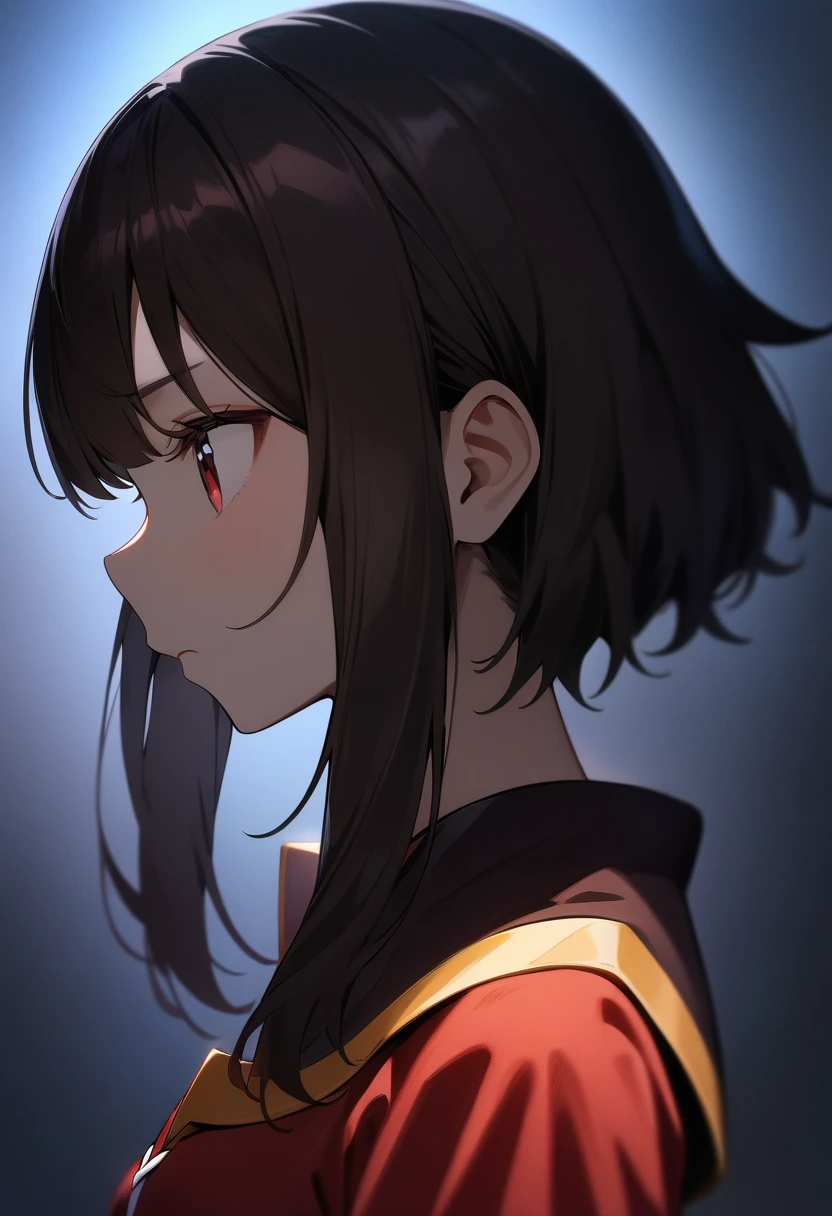

The true measure of an isekai protagonist often lies not in what they can destroy, but in what they are willing to surrender to sustain their own relevance. Placing Megumin beside Raphtalia exposes the irreconcilable divide between the romanticization of obsession and the pragmatism of endurance. While Megumin treats her singular, city-level destructive capacity as an aesthetic identity to be guarded at all costs, Raphtalia views her own escalating power as a burden to be metabolized for the sake of others. This comparison reveals that growth in this genre is a binary choice: one either calcifies into a static, self-imposed limitation to remain distinct, or evolves into a versatile weapon to survive an indifferent narrative. Megumin’s refusal to diversify her skill set is a deliberate, ego-driven rejection of the very survivalist pressures that define Raphtalia’s entire existence. Where the Shield Hero's companion uses every traumatic scar to expand her political and martial reach, the Arch-Wizard uses her magical ceiling to narrow hers. They are both paradoxes of agency, yet they demonstrate that meaningful narrative weight comes only when a character eventually stops fighting for their own definition and begins fighting for the structural stability of the world they inhabit, regardless of how much of their original self they must discard to achieve it.
Archetype breakdowns and dispute court land in later phases.