
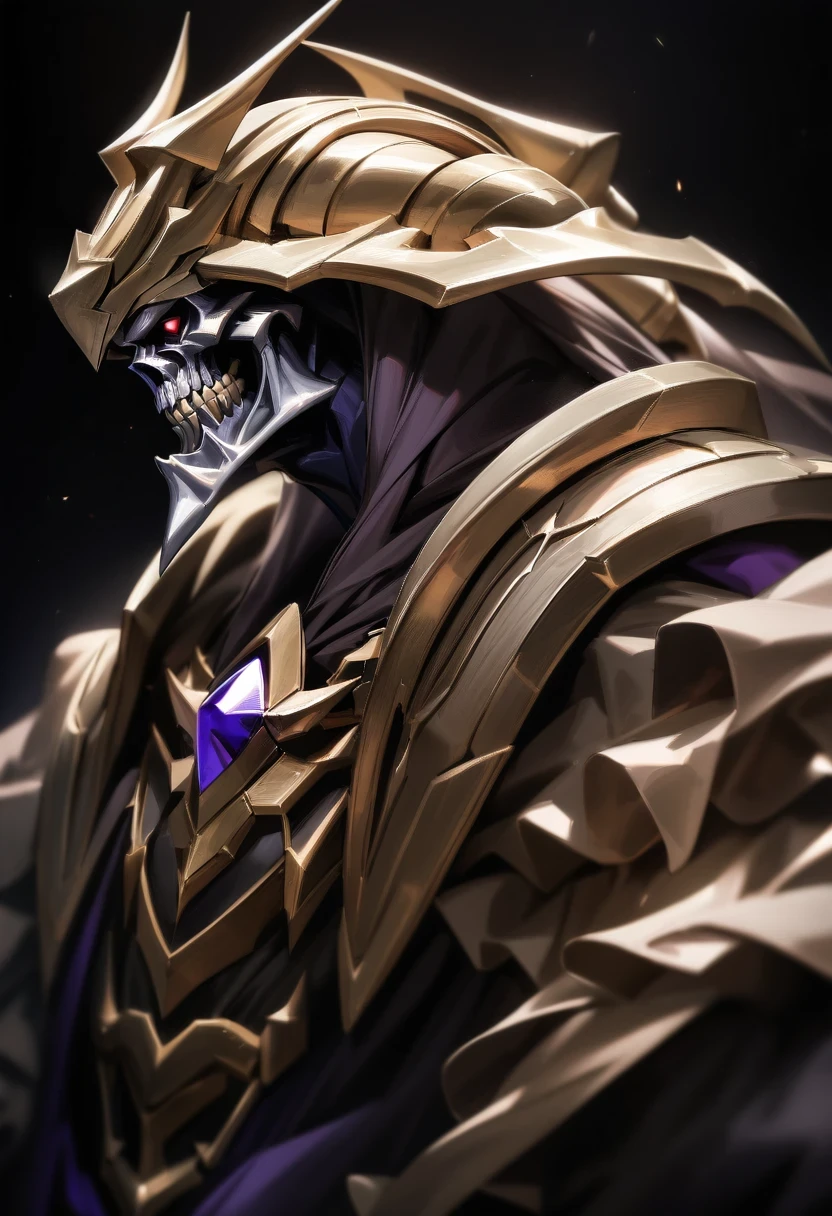
The paradox of isekai power lies in how it erodes internal agency regardless of external rank. Comparing a YPS-4 authority type to a YPS-4 physical type is a category error; one governs through systemic control and administrative terror, while the other operates through tactical execution and martial resilience. Because their abilities operate on different axes, their shared tier is a superficial metric. The meaningful tension exists in their DNA profiles, specifically the inverse relationship between Growth and Ego. Raphtalia represents the pinnacle of trajectory, moving from a traumatized slave to the Heavenly Emperor of Q'ten Lo, yet her Ego score reveals a fundamental dependency. Her ascent is a response to external needs and the guidance of a savior, meaning her power serves a purpose beyond her own self-determination. Ainz operates from the opposite pole. He possesses the raw authority to reshape nations, but his internal life is a desperate performance. He is a corporate middle manager trapped in the skin of a god, where every decree is a calculated attempt to satisfy the expectations of his subordinates. While Raphtalia overcomes darkness to find a place in the world, Ainz descends into it, allowing his undead nature to strip away his human empathy. Both characters prove that reaching YPS-4 status often requires the sacrifice of the authentic self. Whether through the crushing weight of duty or the suffocating mask of leadership, power in these narratives functions as a gilded cage that replaces personal identity with a functional role.
Archetype breakdowns and dispute court land in later phases.