
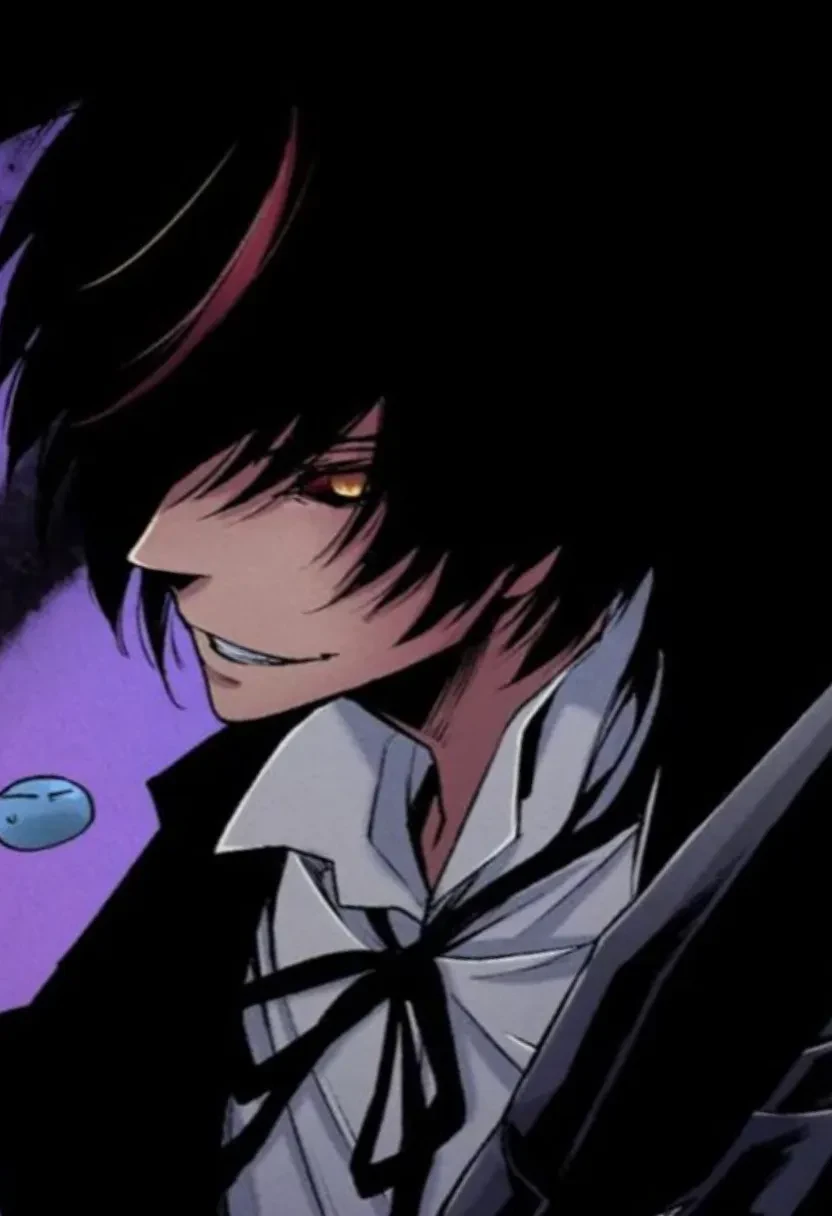
Loyalty in the isekai subordinate archetype functions as either a luxury of power or a mechanism for survival. This comparison reveals a stark divide between servitude as a chosen aesthetic and servitude as a transformative journey. Diablo operates at YPS-5, a continent-level entity whose devotion to Rimuru is a self-imposed obsession, rendering his Growth score nearly stagnant because he is already a perfected being of chaos. His butler persona is a stylistic choice, not a psychological necessity. In contrast, Raphtalia’s ascent to YPS-4 status is forged through the trauma of systemic slavery and the slow reclamation of her agency. Her loyalty to Naofumi is the catalyst for her evolution from a broken child to the Heavenly Emperor of Q'ten Lo, making her Growth score a reflection of hard-won autonomy. The gap between a primordial demon and a demi-human warrior makes a direct combat comparison irrelevant; instead, the tension lies in their DNA profiles. One character uses loyalty to hide his nature, while the other uses it to build a new one. Diablo’s servitude is a game played by a god, whereas Raphtalia’s is a lifeline used by a survivor. This highlights a fundamental truth: total power removes the need for a character arc, while limited power necessitates one.
Archetype breakdowns and dispute court land in later phases.