
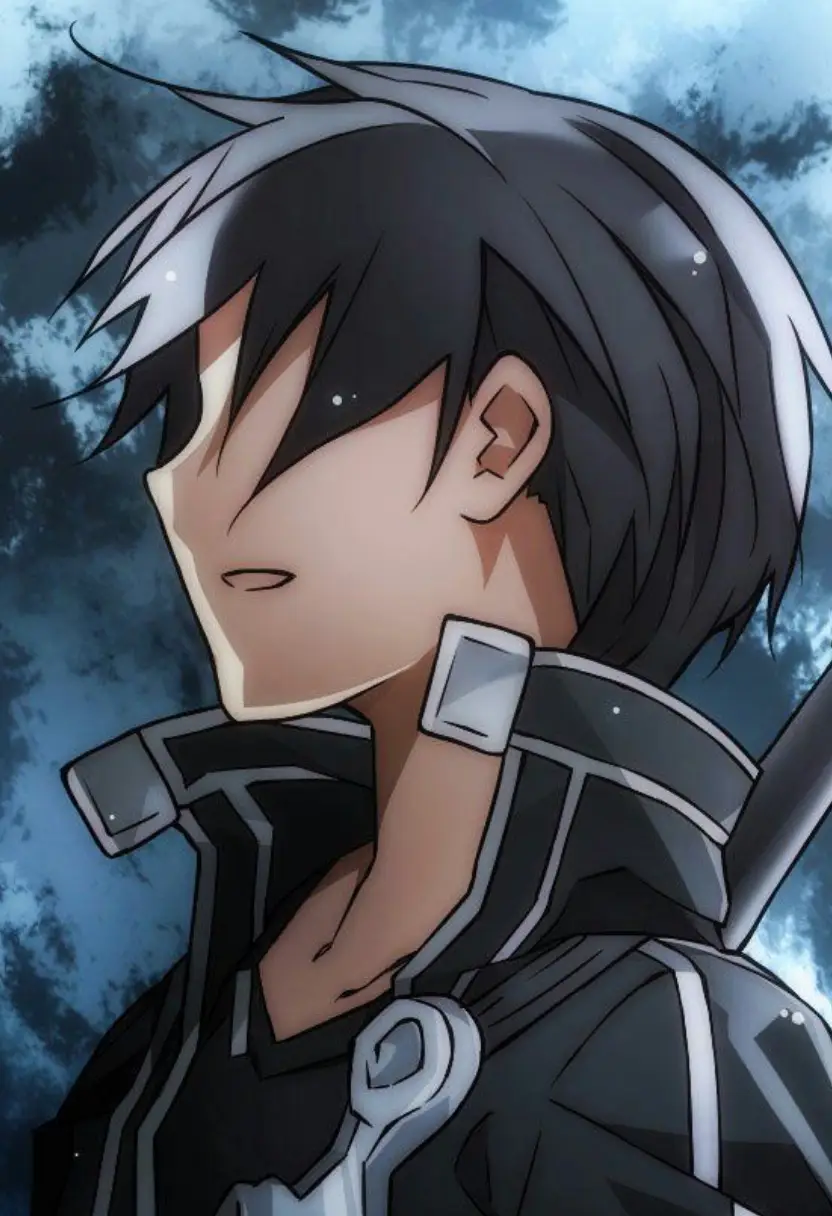
The fundamental divide between two YPS-4 combatants is not their destructive capacity, but the source of their agency. Kirito operates from a position of total self-determination, treating every virtual system as a puzzle to be solved by his own will. His trajectory from a solitary 'Beater' to a protector in the Underworld is driven by an internal engine of technical mastery and personal choice. He does not wait for destiny; he forces the system to acknowledge his existence through sheer ego. Raphtalia, conversely, achieves the same strategic scale through the lens of systemic recovery. Her path from a traumatized slave to the Heavenly Emperor of Q'ten Lo is a study in reactive growth. Her power does not stem from a desire for dominance, but from the necessity of surviving a world that sought to erase her. While Kirito wields his capability as an extension of his identity, Raphtalia wields hers as a shield for those she loves. This creates a paradox where the character with the lower Ego score possesses the more profound Growth arc because her ascent requires dismantling a lifetime of oppression. One is the architect of his own legend; the other is the survivor who becomes a legend by necessity. Their shared YPS-4 classification masks a deep divergence: Kirito is the proactive disruptor who breaks the rules, while Raphtalia is the stabilizer who creates new rules to ensure no one else suffers her past.
Archetype breakdowns and dispute court land in later phases.