
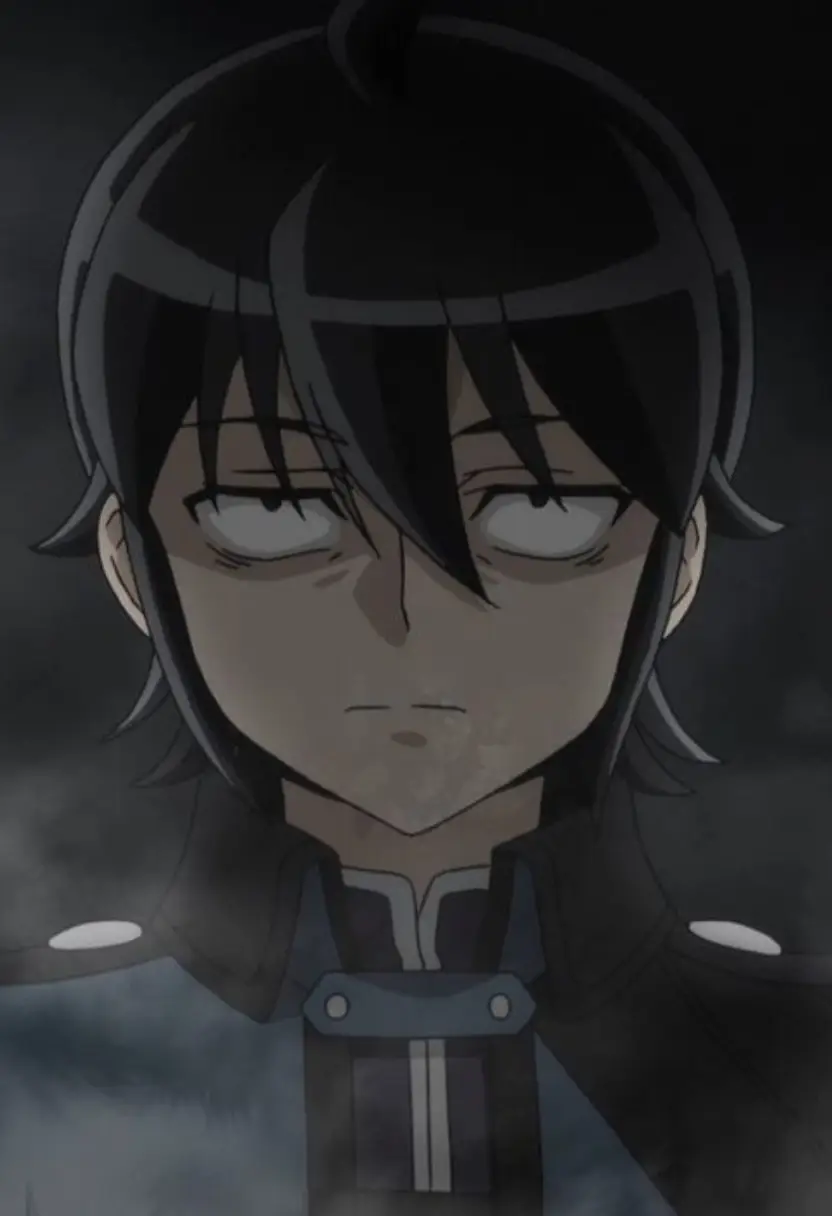
Direct comparison of combat output is meaningless here because the characters operate on different axes. Makoto’s YPS-4 physical power is a tool for survival, while Rimuru’s YPS-7 hybrid capabilities allow for the literal rewriting of physical laws. The meaningful analysis lies in their divergent approaches to sovereignty. Makoto treats power as a means of exclusion, constructing Asora as a sanctuary for those the world rejected. This is a reactive power, driven by the resentment of being cast aside by the Goddess. His higher Darkness and Ego scores reveal a protagonist who clings to his individual identity, using violence as a surgical tool to protect his private peace. Rimuru, by contrast, treats power as a means of integration. With zero Ego and Darkness, Rimuru does not act as a person but as a geopolitical engine, replacing chaotic world orders with a corporate-style federation. Where Makoto builds a wall to keep the world out, Rimuru builds a net to pull the world in. This reveals a fundamental split in the isekai genre: the tension between the desire for a private, emotional home and the drive for total systemic control. Makoto remains a character defined by human friction, whereas Rimuru evolves into a flawless administrative force. The gap in their YPS tiers is less significant than the gap in their humanity.
Archetype breakdowns and dispute court land in later phases.