
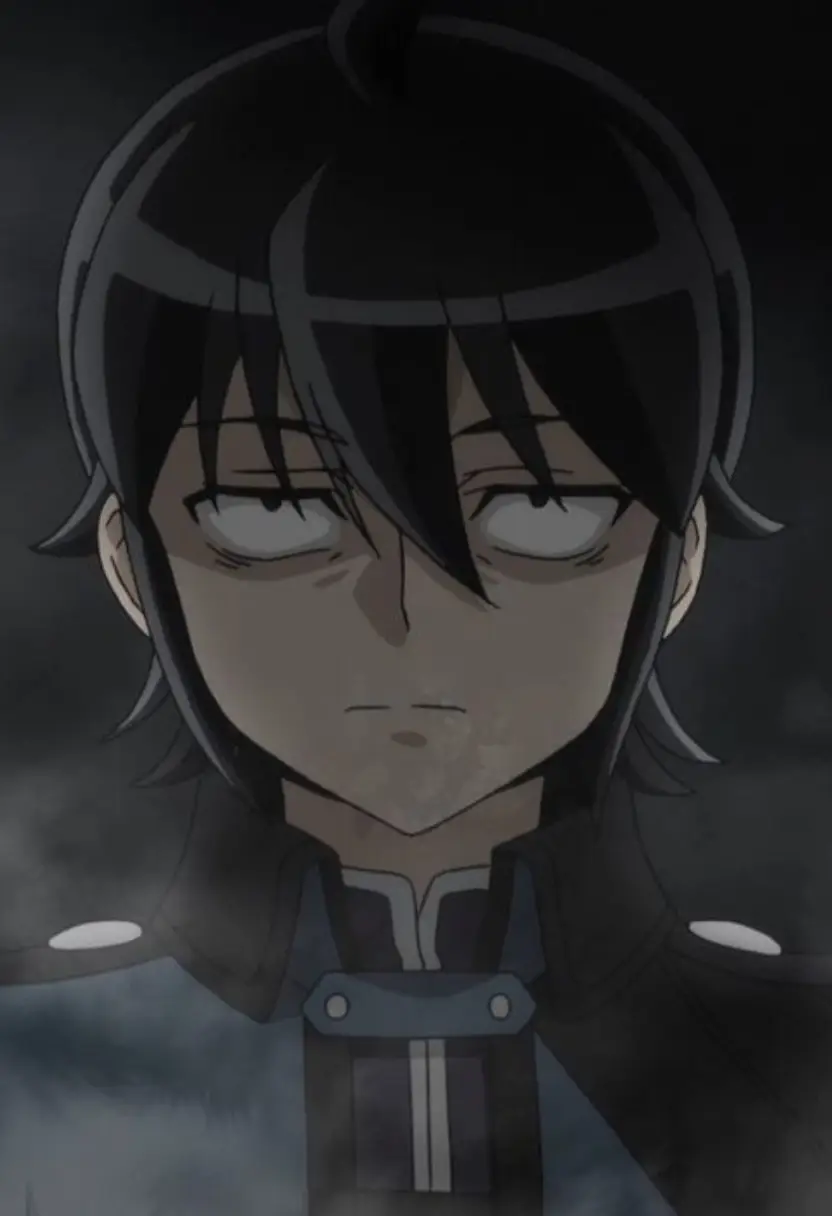
The fundamental disconnect between these two profiles renders a direct YPS comparison meaningless, as one operates via physical devastation at YPS-4 while the other wields systemic authority at YPS-S. Instead, the real divergence lies in the relationship between power and agency. Power without friction is not power at all, but a form of narrative surrender. Touya exists as a passive recipient of divine favor, his zero Ego score revealing a character who does not drive his story so much as he is carried by it. His ascent to godhood is a clerical process of acquisition rather than a personal triumph. In contrast, Makoto’s journey is defined by the friction of exile. His power is a tool for survival against a deity who views him as an eyesore. While Touya manages a world that has already been solved, Makoto actively constructs Asora as a defiant middle finger to the status quo. This makes Makoto the only true agent in the comparison; his bonds are forged in the fire of shared marginalization, whereas Touya’s relationships are merely the dividends of his omnipotence. The gap in their Darkness scores confirms this: Makoto pays a moral price for his autonomy, while Touya remains a sterile administrator of a frictionless paradise.
Archetype breakdowns and dispute court land in later phases.