
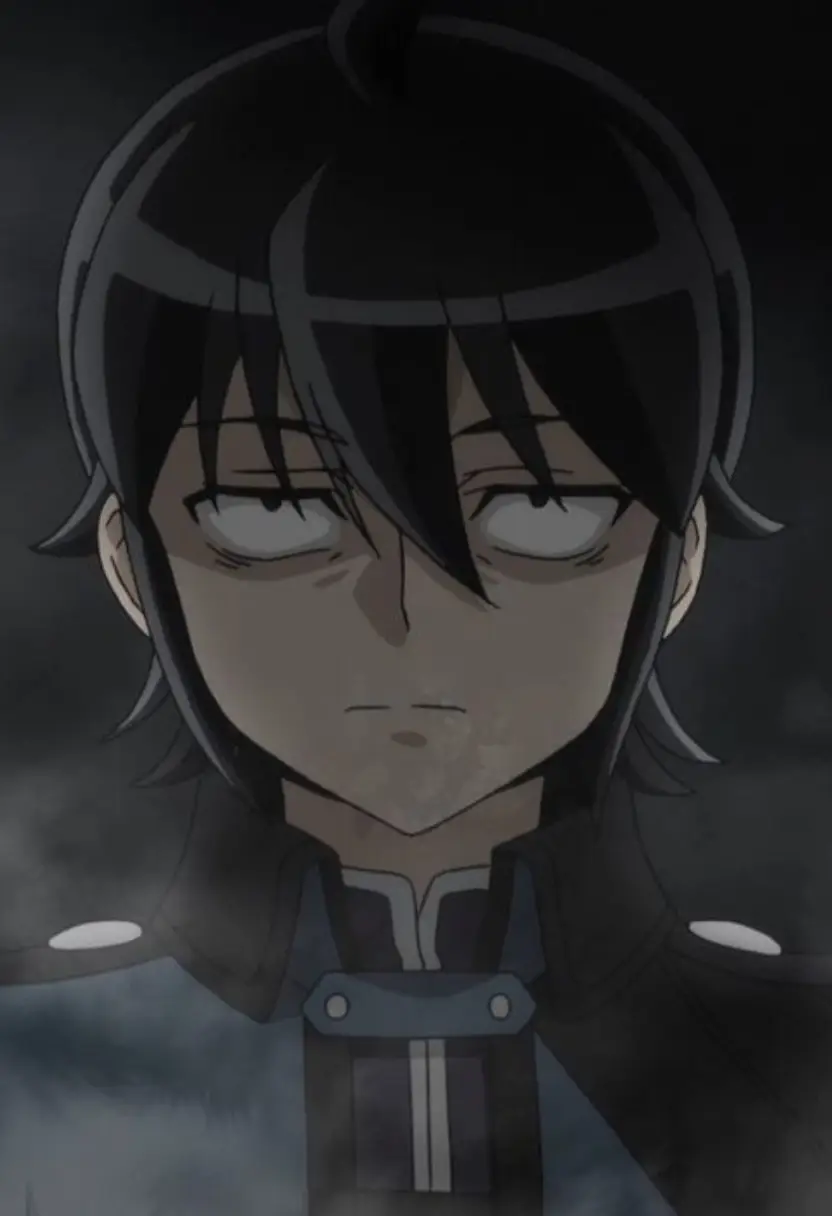
The fundamental tension in this pairing is not a matter of raw output, but a conflict between administrative integration and isolationist autonomy. Because these characters operate on different axes—one utilizing the systemic authority of an administrator and the other relying on raw physical dominance—a direct YPS comparison is functionally meaningless. While Makoto sits at YPS-4 and Hakuto at YPS-3, the numerical gap ignores the reality that they are solving different problems. Hakuto treats the world as a management simulation, leveraging his status to build hospitals and resorts to impose a meritocratic order on a chaotic landscape. His power is a tool for infrastructure. Conversely, Makoto uses his physical superiority to carve out Asora, a sanctuary designed specifically to exclude the world that rejected him. Where Hakuto seeks to optimize the existing world through corporate logic, Makoto builds a parallel world to spite a deity. This reveals a core divide in how isekai handles non-combat power: one character uses system access to become a benevolent bureaucrat, while the other uses system rejection to become a sovereign god. The tragedy of Hakuto's arc—the slow erasure of his human memories as the avatar takes over—contrasts sharply with Makoto's struggle to retain his humanity despite his sociopathic pragmatism. One is losing himself to the role he created; the other is fighting to keep his identity while the role of a god is thrust upon him.
Archetype breakdowns and dispute court land in later phases.