
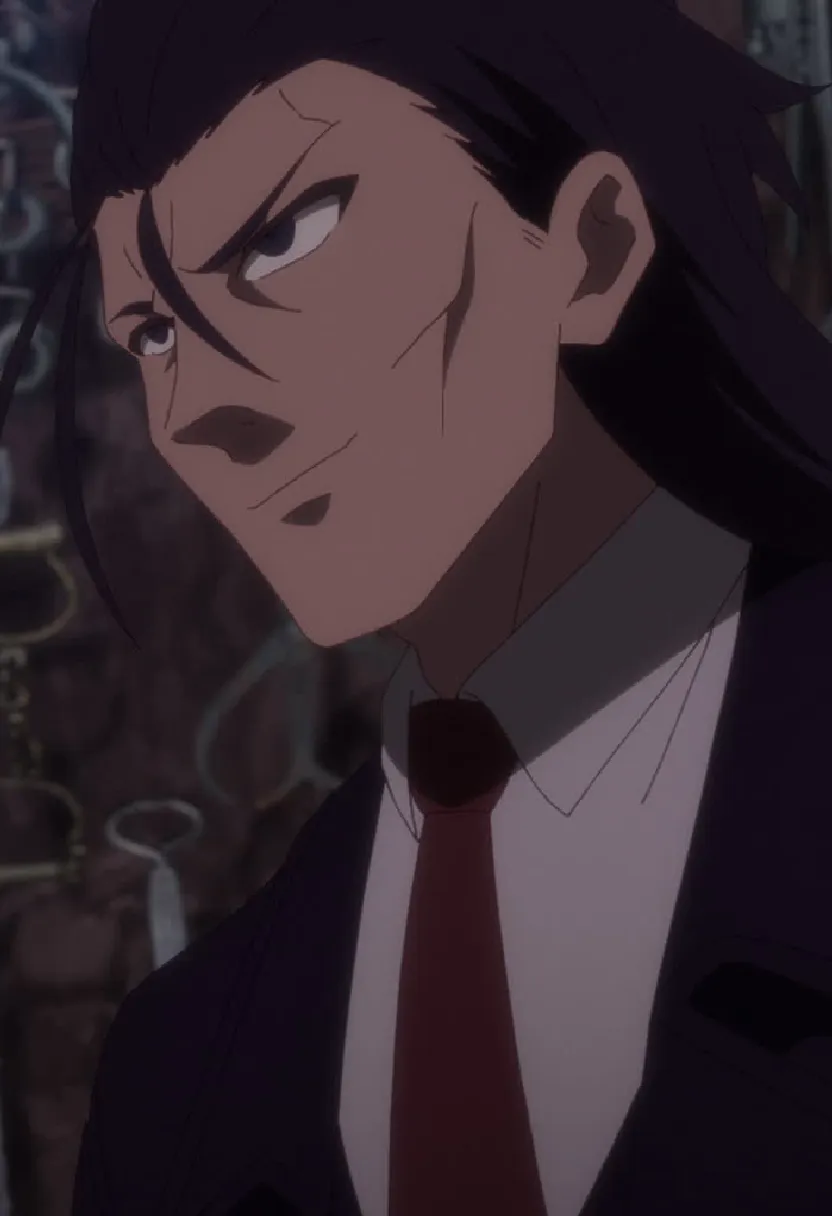
The fundamental friction in these trajectories lies in whether power serves to erase the self or define it. Because one operates via administrative authority and the other through physical prowess, a direct YPS comparison is functionally useless; a YPS-3 administrator and a YPS-4 combatant exist on separate metaphysical planes. Instead, the real divergence appears in their DNA profiles regarding growth and ego. Hakuto Kunai utilizes his administrator status to treat a living world as a management simulation, building resorts and hospitals to impose a corporate order. However, this external expansion masks an internal erosion, as his human memories fade into the avatar’s nature. His growth is actually a process of assimilation. Raphtalia moves in the opposite direction. Her journey from a traumatized slave to the Katana Hero and Emperor of Q'ten Lo is not about imposing a will, but about reclaiming one. While Kunai’s ego is tied to his ability to manipulate the system from above, Raphtalia’s low ego score reflects a shift from dependency to duty, transforming her power into a tool for systemic protection rather than personal gain. Kunai represents the isekai fantasy of total control through systemic cheat codes, whereas Raphtalia represents the reality of resilience through psychological recovery. One character is being consumed by the role he plays, while the other uses her role to finally become a person.
Archetype breakdowns and dispute court land in later phases.